
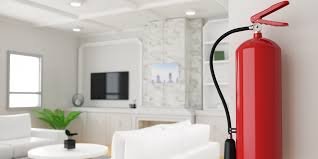
A home is a place where families expect to feel safe and protected. However, everyday activities such as cooking, using electrical appliances, charging mobile phones, operating generators, and heating water can introduce fire hazards. Many homeowners focus on security cameras, strong doors, and general maintenance but overlook the importance of regularly checking fire safety arrangements.
A fire safety audit at home is a systematic review of potential fire hazards, safety equipment, emergency exits, and the steps family members should take if a fire occurs. It helps homeowners identify problems before they develop into dangerous situations.
In Pakistan, where households may use electricity, gas appliances, backup generators, and alternative heating arrangements, understanding residential fire safety is particularly important. A few practical precautions, combined with regular inspections, can help reduce avoidable risks.
A fire safety audit does not necessarily require complicated equipment or a large budget. Homeowners can begin with a simple inspection of their property and seek professional assistance when technical systems require testing.
This guide explains how home fire safety audits work, what areas should be inspected, why fire alarms matter, and how Pakistani families can develop a practical fire prevention plan.
1. What Is a Home Fire Safety Audit?
A home fire safety audit is an organized assessment of the conditions that could cause a fire or make it difficult to escape safely.
The purpose is to identify hazards, review existing safety arrangements, and determine which improvements are necessary.
A residential audit generally examines:
- Electrical wiring and appliances.
- Kitchen and cooking arrangements.
- Gas appliances and fuel storage.
- Smoke detectors and fire alarm systems.
- Fire extinguishers and other firefighting equipment.
- Stairways, doors, windows, and escape routes.
- Emergency lighting and family evacuation procedures.
- Storage of combustible materials.
A simple household inspection can identify many visible hazards. However, a professional inspection may be needed for electrical installations, fixed fire protection systems, and complex buildings.
2. Why Are Fire Safety Audits Important for Homes in Pakistan?
Residential fires can develop from several different sources. Understanding the risks inside a home helps families decide which precautions are necessary.
Electrical Hazards
Electrical appliances are part of everyday life in Pakistani households. Fans, refrigerators, air conditioners, irons, heaters, and other equipment may operate for extended periods.
Damaged cables, loose connections, overloaded sockets, and unsuitable extension leads can create fire hazards.
During an audit, homeowners should look for:
- Frayed or damaged electrical cords.
- Loose plugs and sockets.
- Discolored or overheated electrical outlets.
- Exposed wiring.
- Extension boards carrying too many appliances.
- Electrical appliances placed close to curtains or bedding.
Any damaged electrical installation should be assessed by a qualified electrician. Homeowners should not attempt repairs on live electrical wiring.
Gas and Cooking Hazards
Cooking is a major part of household life, and kitchens often contain several potential ignition sources.
Gas stoves, LPG cylinders, cooking oil, and combustible kitchen materials require careful handling.
An inspection should check that cooking appliances are maintained, the surrounding area is uncluttered, and fuel connections are in suitable condition.
If a gas leak is suspected, avoid flames and electrical switches. Leave the area and contact the appropriate gas emergency service from a safe location.
Heating and Backup Power Equipment
Some homes use portable heaters, gas heaters, generators, or other equipment during power interruptions and colder weather.
These appliances need suitable installation, ventilation, and clearance from combustible materials. Fuel-burning equipment must not be operated in enclosed spaces where dangerous exhaust gases can accumulate.
An audit should consider both fire risks and related hazards, such as carbon monoxide exposure.
3. Inspect Your Electrical System
Electrical safety should be one of the first areas examined during a home fire safety audit.
Begin by looking at visible wiring, electrical sockets, distribution boards, and the placement of appliances.
Check Sockets and Extension Boards
Avoid connecting several high-power appliances to one extension board. Do not use damaged plugs, loose adapters, or cables with exposed conductors.
Extension cords should not be treated as permanent substitutes for properly installed electrical outlets.
Review the Main Electrical Panel
The electrical distribution board should be accessible to authorized adults and free from stored materials.
Check for visible signs of damage, burning, unusual heat, or a persistent burning smell. Do not open or repair electrical equipment unless qualified to do so.
A licensed electrician can assess circuit protection, earthing, wiring condition, and whether the installation is suitable for the household’s electrical load.
Keep Combustible Materials Away
Paper, clothing, curtains, cardboard, and other combustible materials should not be placed against hot appliances or electrical equipment.
Good housekeeping helps reduce the amount of material available to burn if an ignition occurs.
4. Check Your Kitchen Fire Safety Arrangements
The kitchen deserves special attention because cooking combines heat, fuel, and combustible materials.
A small cooking incident can become dangerous if people react incorrectly or if escape routes are obstructed.
Keep Cooking Areas Organized
Keep towels, paper packaging, plastic bags, and loose clothing away from flames and hot cooking surfaces.
Do not leave active cooking unattended, particularly when using oil or other high-temperature cooking methods.
Understand Cooking Oil Fires
A pan containing burning oil should never be treated like an ordinary small fire.
Never pour water onto burning cooking oil. Water can cause burning oil to spread and create a serious fire hazard.
If a small pan fire occurs, turn off the heat only if it is safe to do so. Do not move the pan. If you can safely cover it with a suitable metal lid, do so without reaching over the flames.
If the fire does not immediately go out, or if there is any danger, evacuate and call emergency services.
Inspect Gas Appliances
Check for visible damage to gas hoses, connections, and appliance components. Ensure that gas appliances receive appropriate maintenance.
Do not use a flame to search for a gas leak. A suspected leak requires prompt attention from a qualified professional or the relevant gas emergency service.
5. Does Your Home Have a Working Fire Alarm System?
A fire alarm system can provide an early warning that gives occupants additional time to respond and evacuate.
A fire alarm does not extinguish a fire. Its primary role is to alert people so they can take appropriate action.
A residential fire detection arrangement may include smoke alarms, heat detectors, interconnected alarms, and other devices, depending on the building and its design.
Why Smoke Alarms Matter
Smoke can spread through a home before occupants notice flames. An appropriately selected and installed smoke alarm can alert sleeping or distracted residents to a developing fire.
Homeowners should consider smoke alarms on each level of the home and near sleeping areas, following the manufacturer’s instructions and applicable local requirements.
The exact placement depends on the alarm type, room layout, ceiling design, and manufacturer’s guidance.
What Should You Inspect?
During a household audit, check that:
- Smoke alarms are installed in appropriate locations.
- Devices are not covered, painted, or visibly damaged.
- Batteries are maintained according to the manufacturer’s instructions.
- The test function works as described in the product manual.
- Alarm sound can be heard where family members sleep.
- Any interconnected devices operate as intended.
A test button checks certain alarm functions, but it does not necessarily confirm that every sensing component is functioning correctly.
A professional should inspect and test a more complex installed fire alarm system according to its design and applicable standards.
Choosing a Fire Alarm System in Pakistan
When considering a fire alarm system in Pakistan, homeowners should evaluate the building layout, number of floors, sleeping areas, available power supply, and the type of detection required.
For a small residence, standalone smoke alarms may provide an appropriate starting point. Larger homes, apartment buildings, and properties with special hazards may require a professionally designed system.
The most suitable arrangement depends on the property’s risks rather than simply choosing the system with the most features.
6. Examine Fire Extinguishers and Other Safety Equipment
Fire extinguishers can be useful for certain small fires when the correct equipment is available and a person has been trained to use it.
However, an extinguisher should never be considered a replacement for evacuation or emergency assistance.
Select the Correct Extinguisher
Different extinguishers are designed for different types of fire.
For example:
- Ordinary combustible materials, such as wood and paper, require equipment suitable for those fires.
- Flammable liquids require an extinguisher rated for that hazard.
- Energized electrical equipment requires a suitable nonconductive extinguishing agent.
- Cooking oil fires require equipment specifically suitable for cooking oils and fats.
An extinguisher that is unsuitable for the fire can increase danger.
Homeowners should obtain advice from a qualified fire safety professional about the correct equipment for their property.
Inspect Equipment Regularly
Check the extinguisher’s condition, accessibility, instructions, service information, and pressure indicator where fitted.
Do not use equipment that appears damaged, discharged, or outside its required service period.
Fire extinguishers should be maintained in accordance with the manufacturer’s instructions and applicable requirements.
7. Review Emergency Exits and Escape Routes
Fire safety equipment is only part of household protection. Family members must also be able to leave the building safely.
During a fire safety audit, inspect the routes people would use to escape from bedrooms, living rooms, kitchens, and upper floors.
Keep Escape Routes Clear
Hallways, staircases, and exit doors should not be blocked by furniture, boxes, bicycles, or other stored items.
Doors and gates that are needed for emergency escape should be capable of being opened promptly from the inside without searching for keys.
If the home has security grilles, bars, or restricted windows, consider how occupants could escape if the usual route became blocked. Any modifications should preserve security while providing a safe means of escape.
Consider Every Floor
People sleeping on upper floors may face different escape challenges from those on the ground floor.
Review available exits, stairs, and alternative escape arrangements. Do not assume that climbing down a balcony or jumping from a window is a safe evacuation method.
If the building has a complex layout, a professional can help assess its escape arrangements.
8. Prepare a Family Fire Escape Plan
A fire escape plan explains what everyone should do if a fire occurs.
It should be simple enough for children and adults to understand, including household members who may have difficulty moving quickly.
A useful plan should include:
- At least two possible escape routes where the building layout allows.
- A designated outdoor meeting point a safe distance from the home.
- A way to alert emergency services.
- Clear instructions for children and visitors.
- Assistance arrangements for elderly people or anyone with mobility limitations.
- A reminder never to re-enter a burning building.
Discuss the plan with everyone in the household and practise leaving the home safely.
Children should understand that they must leave immediately, avoid hiding during a fire, and never return inside to collect toys or personal belongings.
9. Check Bedrooms, Living Areas, and Storage Spaces
Fire safety audits should cover the entire home, not just the kitchen.
Bedrooms, living rooms, storage areas, and garages may contain electrical equipment, combustible materials, and potential ignition sources.
Bedrooms
Check that heaters, charging devices, and electrical appliances are used according to their instructions.
Keep bedding and curtains away from heating equipment. Avoid running damaged cables beneath rugs or placing them where they may be crushed.
Smoke alarms near sleeping areas can provide an important warning when residents are asleep.
Living Rooms
Inspect electrical appliances, decorative lighting, extension cords, and heating equipment.
Keep candles away from curtains, furniture, and other combustible objects. Never leave an open flame unattended.
Storage Areas and Garages
Keep fuels, paints, solvents, and other flammable products in suitable containers and locations, following their labels and local requirements.
Do not store combustible materials beside generators, heaters, or electrical equipment that may become hot.
A garage containing a vehicle, fuel, tools, and electrical equipment may need additional attention during a fire safety inspection.
10. Review Emergency Lighting and Fire Safety Signage
In a power interruption, darkness can make it difficult for people to find exits and move safely.
Emergency lighting may be particularly relevant in larger houses, multi-storey residences, and shared residential buildings.
Check that stairs and escape routes have adequate lighting and that any installed emergency lights operate according to their instructions.
Exit signs may also be appropriate or required in certain buildings, particularly shared or multi-storey properties.
The need for emergency lighting and signage depends on the building’s use, design, and applicable local requirements.
For apartment buildings and other shared premises, homeowners or residents should also understand the building’s common emergency arrangements.
11. Understand Professional Fire Safety Audits in Pakistan
A professional fire safety audit can provide a more detailed assessment than a household visual inspection.
In Pakistan, the scope of inspection and applicable requirements may differ depending on the province, municipality, building classification, and whether the property is a private residence or part of a larger regulated building.
Homeowners should confirm which local requirements apply to their particular property rather than assuming that every commercial-building requirement automatically applies to an ordinary private home.
What May a Professional Audit Include?
Depending on the property’s design and the agreed scope, an inspection may cover:
- Electrical and ignition hazards.
- Fire detection and alarm equipment.
- Extinguishers and fixed firefighting systems.
- Exit routes and emergency lighting.
- Fire safety signage.
- Storage of combustible materials.
- Emergency procedures and evacuation arrangements.
- Recommendations for correcting identified problems.
A structured audit should document its observations and identify actions that need attention.
When Should You Seek Professional Help?
Consider a professional assessment if:
- Your property has multiple floors or a complicated layout.
- You have an installed fire alarm or suppression system.
- You have noticed recurring electrical problems.
- You are renovating or changing the building’s layout.
- You are unsure whether your existing safety arrangements meet applicable requirements.
- Your property is part of a shared residential building with common fire protection systems.
12. Create a Practical Home Fire Safety Audit Checklist
Homeowners can use the following checklist to organize a basic visual review. It is a starting point, not a substitute for a professional inspection or local compliance assessment.
- Electrical sockets, visible wiring, and appliances appear undamaged.
- Cooking areas are organized and combustible items are kept away from heat.
- Gas appliances and visible connections show no obvious damage.
- Smoke alarms are present where appropriate and tested according to instructions.
- Fire extinguishers are accessible, suitable, and within their service requirements.
- Stairs, hallways, doors, and escape routes are unobstructed.
- Family members know the escape routes and outdoor meeting point.
- Emergency contact information is readily available.
- Heating equipment and generators are used in suitable locations.
- Combustible materials and flammable liquids are stored appropriately.
If any item cannot be checked, record the issue and decide whether it needs immediate attention, professional assessment, or a planned improvement.
13. How Often Should You Conduct a Home Fire Safety Audit?
A simple household review can be incorporated into regular home maintenance.
The appropriate frequency for professional inspections depends on the equipment installed, its manufacturer’s instructions, applicable standards, and any legal requirements relevant to the property.
A practical approach is to:
- Conduct a household visual review regularly.
- Test smoke alarms according to their instructions.
- Arrange required servicing for fire protection equipment.
- Review escape arrangements after renovations or changes in occupancy.
- Reassess hazards when installing new appliances or heating equipment.
- Correct serious hazards as soon as safely possible.
Keep a basic record of inspection dates, identified problems, repairs, and equipment servicing. This makes it easier to track improvements and recognize recurring issues.
14. Common Fire Safety Audit Mistakes to Avoid
Even homeowners who have safety equipment may overlook important details.
Assuming That Owning an Extinguisher Is Enough
An extinguisher is useful only when it is appropriate for the fire, accessible, maintained, and used safely.
Ignoring Small Electrical Problems
A loose socket, damaged cable, or unusual burning smell should not be ignored. Small warning signs may indicate a problem that requires professional attention.
Blocking Emergency Exits
Storing shoes, furniture, boxes, or other belongings in hallways and staircases can make evacuation more difficult.
Forgetting to Test Smoke Alarms
Installing an alarm is only one step. Homeowners must also maintain and test it according to its instructions.
Failing to Practise the Escape Plan
A plan that nobody understands may be difficult to follow during an emergency. Regular practice helps household members become familiar with escape routes and meeting points.
Trying to Fight a Fire That Is Spreading
A fire can become dangerous quickly. If flames are spreading, smoke is heavy, or the escape route is threatened, leave immediately and contact emergency services. Never risk your life to save belongings.
15. Making Fire Safety a Regular Household Habit
A home fire safety audit is most useful when it leads to practical improvements.
Start by identifying hazards that can be corrected immediately, such as cluttered exits, damaged extension cords, or combustible materials placed too close to heat sources.
Next, arrange professional help for issues that require technical knowledge, including electrical repairs and fire alarm system maintenance.
Families should also discuss emergency procedures and make sure that children, elderly relatives, and visitors understand how to leave the home safely.
Homeowners considering a fire alarm system in Pakistan can explore available safety equipment and professional guidance through Flame Defender . Before purchasing or installing equipment, confirm that it is suitable for the building and meets the relevant safety requirements.
Fire safety is not a one-time activity. It is an ongoing responsibility that involves prevention, maintenance, preparation, and awareness.
Conclusion
A home fire safety audit helps families understand the risks inside their property and take practical steps to reduce them. By inspecting electrical installations, kitchens, heating equipment, smoke alarms, extinguishers, and escape routes, homeowners can identify important safety concerns before an emergency occurs.
For households in Pakistan, paying attention to electricity, gas appliances, generators, and emergency preparedness can be an important part of protecting family members and property.
A working fire alarm, suitable firefighting equipment, clear escape routes, and a practiced evacuation plan all contribute to a more organized approach to residential fire safety.
Start with a simple inspection, address visible hazards, and seek professional advice whenever technical systems or building requirements need further assessment.
Frequently Asked Questions (FAQs)
1. What Is a Home Fire Safety Audit?
A home fire safety audit is an organized inspection of a house to identify potential fire hazards, check safety equipment, review emergency exits, and assess whether family members are prepared to respond to a fire.
2. Why Is a Fire Safety Audit Important for Pakistani Homes?
It helps homeowners identify hazards associated with electrical appliances, gas cooking, generators, heating equipment, and combustible materials. It also helps families review their alarms and evacuation arrangements.
3. Does Every Home Need a Fire Alarm System?
The appropriate fire detection arrangements depend on the home’s size, layout, occupancy, and applicable requirements. Smoke alarms are an important consideration for residential fire safety, particularly near sleeping areas and on different levels of a home.
4. How Often Should I Check My Home’s Fire Safety Equipment?
Smoke alarms should be tested and maintained according to their manufacturer’s instructions. Fire extinguishers and other installed systems should receive the inspections and servicing required for their equipment type and applicable standards.
5. Can I Conduct a Fire Safety Audit Myself?
Yes. Homeowners can perform a basic visual inspection using a checklist to identify obvious hazards and review escape plans. However, electrical installations, complex fire alarm systems, and other technical equipment should be assessed by qualified professionals when necessary.